4K vs 1080p: Is an Ultra HD TV Worth It?
Determining whether the jump to 4K resolution is necessary for your viewing environment and content library.
The Resolution Difference
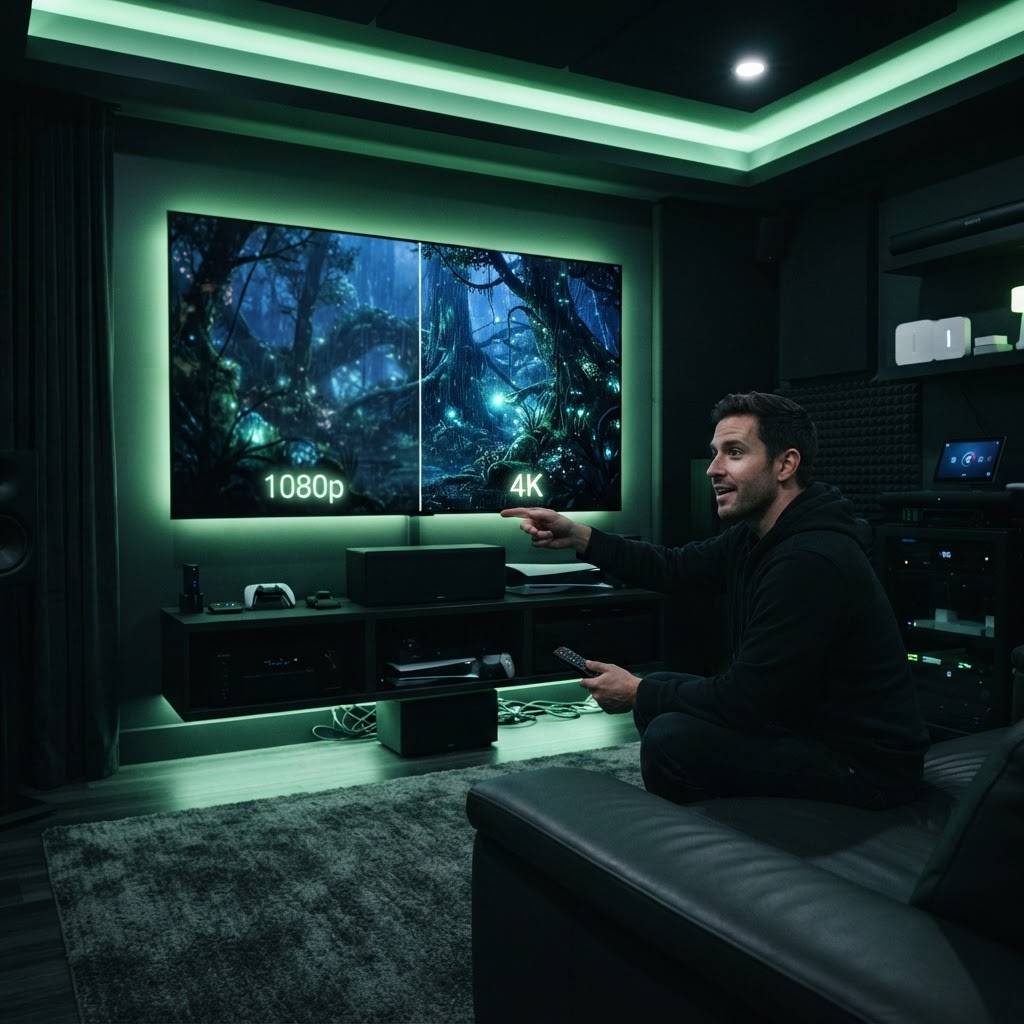
1080p, or Full HD, was the standard for years, offering 1,920 by 1,080 pixels. 4K, or Ultra HD, quadruples that count to 3,840 by 2,160 pixels. This higher pixel density results in a significantly sharper image, especially on larger screens. While 1080p is still perfectly adequate for smaller displays like 32-inch kitchen TVs, 4K is now the standard for anything over 50 inches. If you want to see fine details in high-definition movies or sports, the visual clarity of 4K is unmistakable.
Content and Upscaling
It is worth noting that a 4K TV is only as good as the content you feed it. While most streaming services like Netflix and Disney+ now offer vast libraries of 4K HDR content, older cable boxes and basic cable channels may still broadcast in 1080p or lower. Modern 4K TVs include 'upscaling' technology, which uses processors to artificially enhance lower-resolution content to look better on a 4K screen. However, for the best result, prioritize 4K-ready sources like gaming consoles and high-tier streaming devices to get the most value out of your display.
Need a Hand With Your Tech?
Our technicians fix computers, Wi-Fi, printers and smart home devices remotely — anywhere in the US, same-day sessions available.